Equity Intermarket Spreads
Understanding Intermarket Spreads
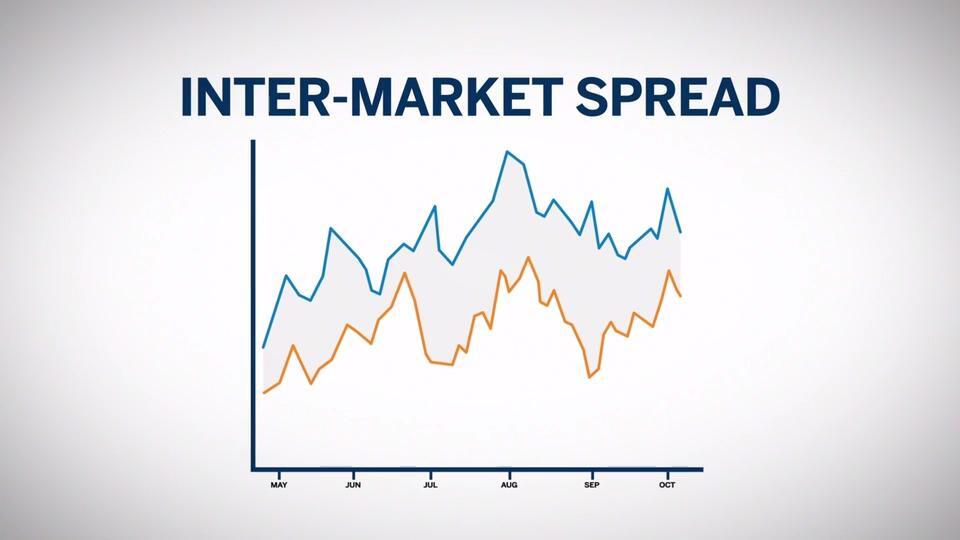
A trader can spread between two highly correlated futures contracts of similar but different types. This is known as an inter-market spread.
In the financial futures markets, inter-market spreads can involve trading in highly correlated contracts of different types. For example, you could take a spread position between two different stock indexes by buying one and selling another. If you’re bullish on the technology sector versus the broad market, you could buy the NASDAQ futures and sell the E-mini S&P.
The point of entering into an inter-market spread is to trade on the differences in the two respective contracts rather than the direction of the overall market. These types of trades are sometimes referred to as relative value trades.
Risks and Opportunities
Spread trading does involve risk, and in fact you can lose money on both sides (positions) of the spread. However, spread trading offers unique opportunities that differ considerably from outright long or short positions.
In order to utilize perceived spread opportunities, traders must know the economic fundamentals of the market; this includes a seasonal and historic knowledge of price patterns. Traders must be able to recognize the potential for widening or narrowing changes between contracts and to make that spread change work in their favor.